Garage Door With Windows - Pros, Cons, and Design Ideas
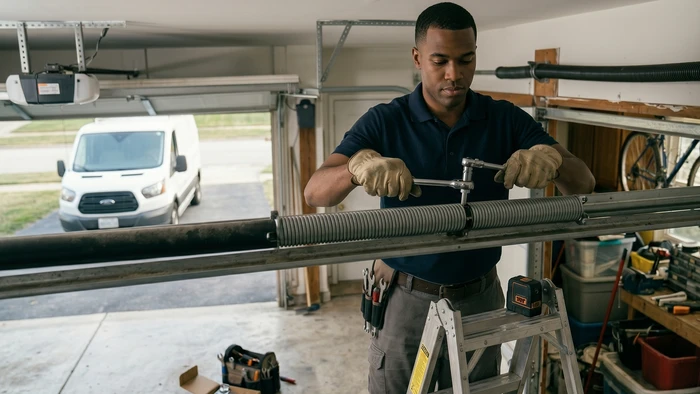
Windows on a garage door are one of those features that sounds simple but has more to think about than people expect. Looks great in photos. The reality involves light, privacy, security, insulation, and cost - all of which shift when you add glass to the door.
Here's the honest breakdown.
The case for windows
Natural light in the garage is genuinely useful if you spend time in there. Workshop, gym, hobby space - working in natural light is different from working under fluorescents. Even for pure car storage, a garage that gets daylight feels less like a cave.
Curb appeal is real. A garage door with well-placed windows looks more architectural than a blank panel door. From the street, windows break up the door visually and make the whole facade look more intentional. This matters more on attached garages where the door is a prominent part of the home's front elevation.
The case against - or at least the things to think about
Privacy. Windows let people see in. Someone walking past can look into your garage. If you store anything valuable - tools, bikes, equipment - visible inventory is a consideration. Frosted or obscured glass addresses this while still letting light through.
Security. Standard glass windows can be broken. A determined person breaking a window can reach in and potentially trip the emergency release cord. This is a real vulnerability on some door designs. Impact-resistant glass, glass that's positioned away from hardware, or decorative inserts that don't provide actual visibility - all reduce this risk.
Insulation. Glass has lower R-value than the insulated door panel it replaces. Adding windows to an insulated door reduces the door's overall thermal performance. For an attached garage where insulation matters - this is worth knowing before you choose a windowed door or add windows to an existing one. The reduction isn't dramatic on a well-designed window insert but it's real.
Cost. Windows add to the door price - typically $100-300 additional for standard window inserts, more for decorative or specialty glass options.
Window placement - where they actually go
Most residential garage door windows run in a row across the top panel. This is the standard configuration for good reason - windows at the top let in light from the top portion of the door, which is the most useful angle, while keeping the lower panels solid for privacy and security.
Some contemporary designs run windows vertically or scatter them across multiple panels. Full-view doors - aluminum frames with large glass sections covering most of the door - are at the other end of the spectrum, essentially making the entire door a window.
For most residential applications, the single row of windows across the top panel is the practical choice. Enough light, enough privacy, adds visual interest without the cost or security concerns of more glass.
Glass types worth knowing about
Clear glass - full visibility both ways. Good for light, zero privacy.
Frosted or obscure glass - lets light through, prevents clear visibility. Best of both worlds for most garages.
Tinted glass - reduces light transmission but provides privacy. Common in warmer climates.
Decorative glass - textured, leaded, or patterned glass. Primarily aesthetic. Costs more, provides some privacy depending on the pattern.
Impact-resistant glass - laminated glass that doesn't break into shards. Worth considering for security-conscious applications or climates with hail.
Acrylic or polycarbonate inserts - not glass but often used in garage doors as a lighter, more impact-resistant alternative. Less prone to cracking than glass.
Adding windows to an existing door vs buying a door with windows
Factory-installed windows are the cleaner option. The door is designed around them - the panel structure, the weathersealing, the overall geometry. Glass fits properly, seals cleanly, and the door operates as designed.
Retrofit window inserts - panels that replace a section of an existing door panel - are available for many door models. They work reasonably well but require that the door model supports them and that the inserts are properly sealed when installed. Improperly sealed window inserts let in water and drafts.
If windows are important to you - specify them when ordering the door rather than adding them later.
Design ideas by home style
Traditional homes - rectangular windows across the top panel, clear or frosted glass, simple frames. Classic look that doesn't fight the architecture.
Craftsman or farmhouse style - divided light windows (multiple small panes within the window insert) complement the architectural language. Square or short rectangular panes.
Contemporary/modern homes - full-view aluminum door with large glass panels, or flush panels with minimal slim windows. Clean lines, maximum light.
Carriage house style - arched top windows that complement the carriage house door design. More decorative, more expensive, genuinely beautiful on the right home.
For how windows interact with the overall door material choice, our best garage door materials guide covers which materials work best with different window configurations.
The maintenance consideration
Glass needs cleaning. Garage door windows get dirty - exhaust residue, dust, weather. Not demanding maintenance but it's something that doesn't exist with a solid door. Exterior glass on a door that's 7-8 feet off the ground when open requires a ladder or extension handle to clean properly.
Window inserts with removable interior panels - some designs allow the glass to be cleaned from the inside by removing an interior trim ring. Worth asking about this specifically if the windows will be hard to reach from outside.
GarageDoorRepairz - door replacement with windows, window insert installation, or anything else. Give us a call.