Tornado Season Garage Door Preparation - Protect Your Home's Weakest Point
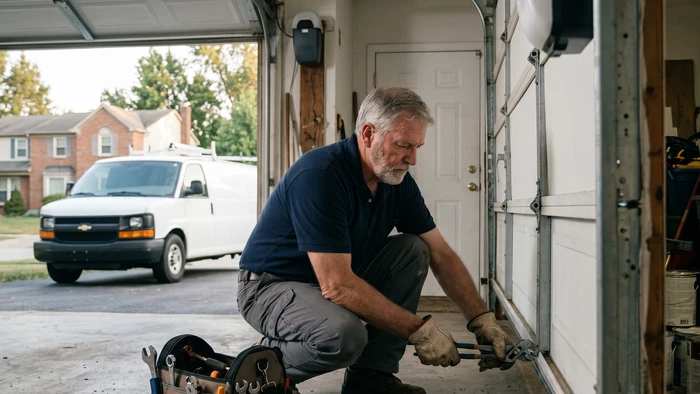
Every spring, the same thing happens in tornado country. Someone gets lucky or doesn't, and afterward there are always photos of houses where the garage door blew in and took the rest of the structure with it. Sometimes the house next door - identical construction - stands nearly intact because the garage held.
The garage door is the largest opening in most homes. It's also the weakest point in the building envelope during high winds. Understanding why and what to do about it before tornado season hits is the difference between a survivable storm and a catastrophic one.
Why garage doors fail in high winds
A standard residential garage door is a large flat surface with significant area. A 16-foot double door presents 256 square feet of surface area to wind pressure. At 100 mph, the force on that surface can exceed 2,000 pounds. At tornado-adjacent wind speeds - 130, 150, 180 mph - the numbers scale dramatically.
The door flexes inward under wind pressure. Standard door panels aren't engineered to resist that flexing - they're designed for normal wind loading, not extreme events. As the door flexes, the panel edges separate from the tracks, the track hardware pulls away from the wall, and eventually the door either blows inward into the garage or the pressure difference pops it outward. Either way, the envelope is breached.
When a garage door fails in high winds, two things happen simultaneously. The wind enters the garage and creates massive upward pressure on the garage ceiling - which is the floor of the living space above in many homes. And the sudden pressure equalization changes the structural dynamics of the entire house. This is the mechanism by which a blown garage door contributes to roof loss. It's not just that the door opened - it's what happens structurally when it does.
This is why garage door preparation before tornado season isn't cosmetic or precautionary in a vague sense. It's structural protection for the entire home.
What wind-rated garage doors are - and what they aren't
A wind-rated garage door is engineered specifically to resist defined wind loading. The engineering involves heavier-gauge steel panels, horizontal reinforcement bracing built into or attached to the panels, stronger track systems rated for the additional load, and heavy-duty mounting hardware at the track brackets.
The door carries a rated wind speed - a specific mph value determined through engineering testing. In tornado-prone states, the building code specifies minimum wind speed ratings for garage doors by location and wind zone. If you don't know whether your garage door is wind-rated or what it's rated for - that's worth finding out, especially before storm season.
What wind-rated doesn't mean: the door is tornado-proof. A direct tornado strike at close range is beyond what any residential structure is designed to survive. Wind-rated doors provide meaningful protection in the high-wind events surrounding tornadoes - the straight-line winds, the outer circulation, the micro-bursts - that damage far more homes than direct tornado paths do. This protection is real and significant even if it isn't absolute.
Impact-rated doors go further - these resist not just wind pressure but flying debris impact. The large-missile impact test involves a 9-pound 2x4 fired at the door at defined velocities. In tornado-prone areas where debris is a serious risk, impact rating adds meaningful protection beyond wind rating alone.
Retrofit bracing - strengthening what you already have
Full door replacement is the most complete solution but it's not the only one. If the door is in good condition and replacement isn't in the budget before storm season, retrofit bracing kits are available for many door models.
Retrofit bracing consists of horizontal steel reinforcement bars that span the door width and attach to the existing panel structure. They prevent the panel flex that leads to door failure under wind load. They're not a substitute for a properly engineered wind-rated door but they meaningfully improve the wind resistance of a standard door.
Professional installation of retrofit bracing runs $200-400 typically. The bracing kit itself costs $100-200. This is a fraction of full door replacement and provides real improvement in wind resistance for the tornado-adjacent wind events that are far more common than direct strikes.
Some states - Florida has led this - have subsidy or tax incentive programs for wind-rated garage door installation and for retrofit bracing. Worth checking local programs before paying full price.
What to do with the current door before a storm warning
When a tornado watch or warning is issued, the action for garage doors is specific and it matters.
Do not open the garage door before a storm hoping it will "equalize pressure." This is a persistent myth that has been thoroughly debunked by structural engineers. Opening the garage door before a tornado doesn't protect the house - it creates the pressurization problem that causes roof loss. Keep the door closed.
If the door has an automatic opener - disconnect it using the red emergency release cord. If the power goes out during the storm and the opener is connected, a stuck trolley can prevent the door from moving freely under wind pressure and can transfer load to the opener hardware that damages it.
Reinforce the door if you have access to horizontal bracing - a 2x4 or steel bar placed horizontally across the inside of the door panels before the storm provides temporary additional resistance. This is the improvised version of retrofit bracing. Several 2x4s spanning the full width and braced against the floor or door tracks at each end provide meaningful improvement over an unbraced door.
Get away from the garage during the storm. Even a wind-rated door can be breached in extreme conditions. The garage is not a shelter during a tornado - it's the weakest room in the house structurally. Go to an interior room, a basement, or a proper shelter.
Garage door openers and tornado preparedness
The opener itself needs consideration in tornado preparation. A battery backup opener keeps the door functional during and after the storm when power is out - critical for getting vehicles out and accessing the garage after the event. Our battery backup opener guide covers which openers have the best backup implementation.
The opener's WiFi connectivity through myQ or Aladdin Connect also provides remote monitoring - you can check door status from a shelter location during a storm. For families sheltering in a different part of the house or in a basement, knowing the garage door status remotely is useful information.
After a storm - don't operate the door until you've checked visually that the door is still in the tracks, the cables are intact, and the opener arm isn't bent or damaged. A damaged door operated by the opener can jump the track or cause cable failure. Manual inspection first, then operation.
The post-tornado inspection checklist
After any significant wind event, even if the garage looks intact from outside, check these specifically before resuming normal use.
Track alignment - both tracks still plumb and properly spaced? High wind can shift track brackets enough to cause binding without visible damage.
Cable condition - cables still properly wound on the drums, no slack, both sides equal?
Spring condition - springs still on the bar, no visible gap in the coils that indicates a break?
Panel condition - any visible bowing, cracking, or deformation in the panels?
Opener arm and trolley - any bending in the arm, trolley still properly engaged?
Hardware at the walls - track brackets still firmly mounted, no bolts pulled out?
If anything looks off - have a tech assess before operating. A door with shifted tracks or a damaged cable that gets operated can make a manageable repair into a more serious one.
For the full spring and cable inspection process, our signs your spring is about to break guide and cable came off drum guide cover what to look for specifically.
Insurance considerations
Many homeowner's insurance policies cover storm damage to garage doors. If the door is damaged in a storm - document everything before touching anything. Photos of the door, the garage interior, any structural damage. Then call the insurance company before authorizing any repair work.
Some insurance companies offer premium discounts for wind-rated garage doors in high-wind zones - similar to discounts for hurricane shutters in coastal areas. If you're replacing a door and live in a tornado-prone area, ask your insurance agent whether a wind-rated replacement qualifies for any discount. The savings over the policy period can offset a portion of the door upgrade cost.
GarageDoorRepairz - wind-rated door installation, retrofit bracing, storm preparation assessment, post-storm inspection. Give us a call before storm season and we'll tell you honestly what your door's situation is.